Lexus UX 300e Electric Business
Top 71% of 290 SUV Electric models in this price class.
The Lexus UX 300e Electric Business is a suv powered by an electric drivetrain delivering 204 hp (150 kW).
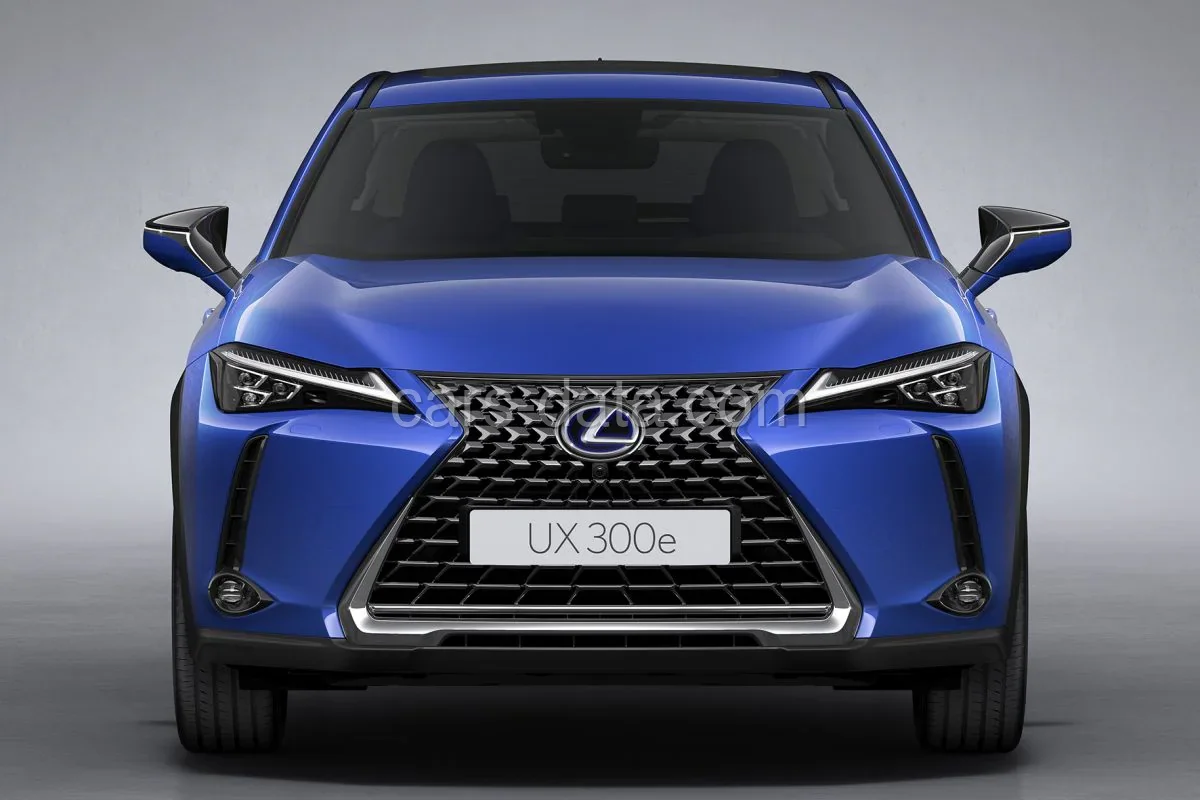
Lexus UX 300e Electric Business at a glance
Performance
It accelerates from 0 to 100 km/h in 7.5 s and reaches a top speed of 160 km/h. Drive is routed to the front-wheel-drive axle via an automatic.
Efficiency & range
The 300e Electric Business offers a range of 400 km, a battery capacity of 45 kWh.
Generation & history
This variant was introduced in 2020 as part of the Lexus UX Electric (2020-2025) generation, and sits alongside 6 other variants in this generation. It is both the most powerful and the quickest-accelerating variant of this generation.
Full specifications — including engine displacement, transmission type, dimensions, weight, and historical list price — are available on the specifications page.
Lexus UX, in detail.
Browse by category.
What is the engine power of the Lexus UX 300e Electric Business?
The Lexus UX 300e Electric Business produces 204 hp (150 kW).
How fast does the Lexus UX 300e Electric Business accelerate from 0 to 100 km/h?
The Lexus UX 300e Electric Business accelerates from 0 to 100 km/h in 7.5 seconds.
What is the top speed of the Lexus UX 300e Electric Business?
The top speed of the Lexus UX 300e Electric Business is 160 km/h.
What is the electric range of the Lexus UX 300e Electric Business?
The Lexus UX 300e Electric Business has an electric range of 400 km.
What transmission does the Lexus UX 300e Electric Business have?
The Lexus UX 300e Electric Business is equipped with a Automatic transmission.
Is the Lexus UX 300e Electric Business front, rear, or all-wheel drive?
The Lexus UX 300e Electric Business sends power through the FWD drivetrain.
What is the torque of the Lexus UX 300e Electric Business?
The Lexus UX 300e Electric Business produces 300 Nm of torque.
When was the Lexus UX 300e Electric Business introduced?
The Lexus UX 300e Electric Business was introduced in 2020.